Signed in as:
filler@godaddy.com

The decisions that shape transportation happen at every level, from local government to major infrastructure investments. Join us for the next Bridges to Prosperity Coalition meeting featuring Gaithersburg Mayor Jud Ashman and Scott Goldberg, candidate for Montgomery County Council, for a conversation about the role local elected leaders play in shaping transportation priorities and investment.
.png/:/cr=t:0%25,l:0%25,w:100%25,h:100%25/rs=w:600,cg:true)
We’ll also hear from Kent D Starwalt, Executive Vice President of the Tennessee Road Builders Association, who will share insights on Tennessee’s newest groundbreaking public-private partnership (P3) and what this innovative approach could mean for the future of infrastructure delivery.
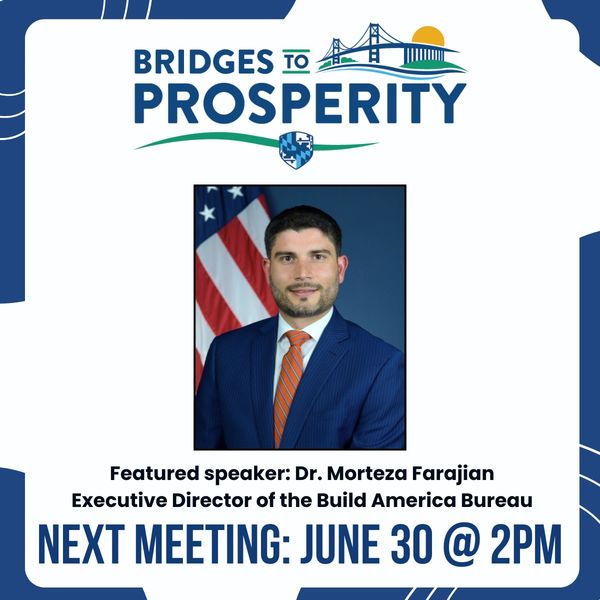
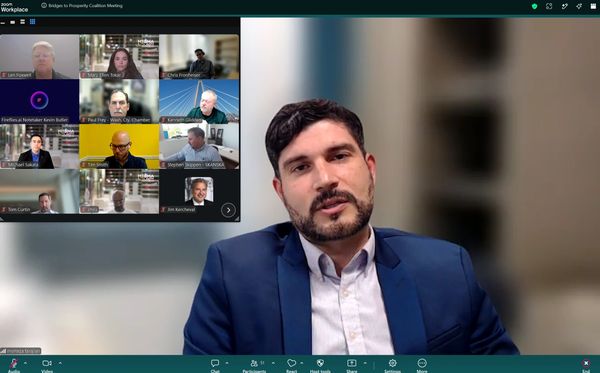
June's meeting brought together transportation leaders from across Maryland for a thoughtful discussion on one of the most important challenges facing our state: how we fund and deliver the infrastructure our communities depend on. A sincere thank you to Dr. Morteza Farajian, Executive Director of the Build America Bureau at the U.S. Department of Transportation, for sharing his expertise and insights on Public-Private Partnerships (P3s), innovative project delivery, and the federal tools available to help advance major transportation investments. His perspective reinforced the importance of considering every option as Maryland works to address long-term transportation funding challenges. Thank you to over 70 people who joined the conversation and contributed to the discussion.
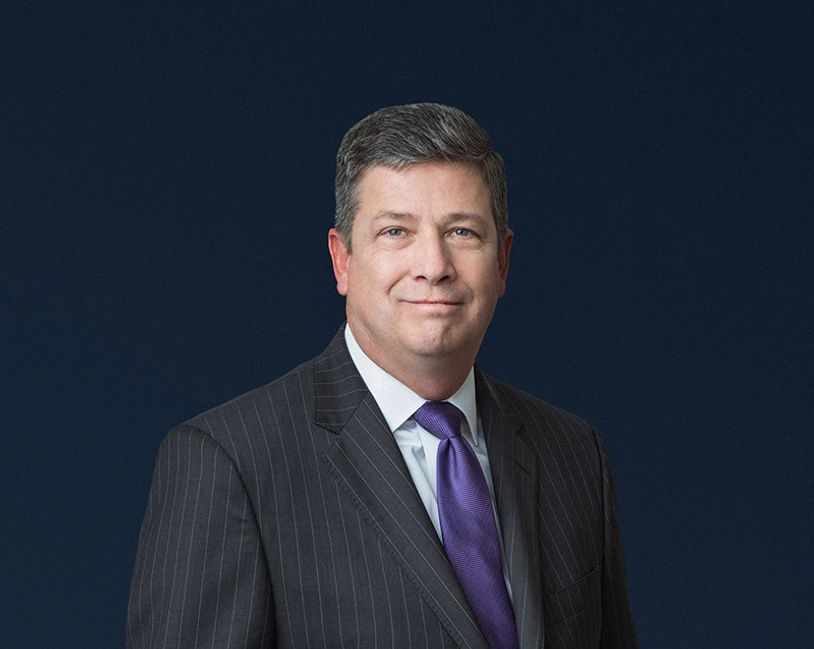
May's Bridges to Prosperity Coalition hosted a conversation on public-private partnerships with John D. Porcari, Managing Director at Investcorp Corsair Infrastructure Partners. His career spans leadership at the U.S. Department of Transportation, Maryland Department of Transportation, and now the private investment side of infrastructure -- bringing a full-spectrum view of project delivery. As Maryland and the broader region confront funding constraints and project demands, this discussion focused on how different delivery models perform in practice and what lessons can be applied moving forward.